
CHP vs. CCHP: Understanding the difference and why it matters
As concerns about electric grid reliability continue to grow, many facility managers are taking a fresh look
at on-site energy systems. Combined Heat and Power (CHP) and Combined Cooling, Heat, and Power
(CCHP) have long been recognized as highly efficient technologies, but today’s changing energy landscape
makes them more valuable than ever.
What Is CHP?
Combined Heat and Power (CHP), also known as cogeneration, simultaneously produces electricity and
useful thermal energy from a single fuel source. Rather than wasting the heat produced during electric
generation, CHP systems recover that thermal energy for productive use.

A typical CHP system includes:
• A natural gas-fired engine, turbine, or microturbine
• An electrical generator
• A heat recovery system
• Distribution equipment for steam or hot water

The recovered heat can be used for:
• Boiler feedwater heating
• Process steam
• Domestic hot water
• Building heating
• Industrial manufacturing processes
Traditional central power plants often operate at efficiencies between 35% and 45%, with much of the
fuel’s energy lost as waste heat. Properly designed CHP systems routinely achieve overall efficiencies of
70% to 85%, significantly reducing fuel consumption and operating costs.
What Is CCHP?
Combined Cooling, Heat, and Power (CCHP), sometimes referred to as trigeneration, builds on CHP by using recovered heat to produce chilled water via an absorption chiller.
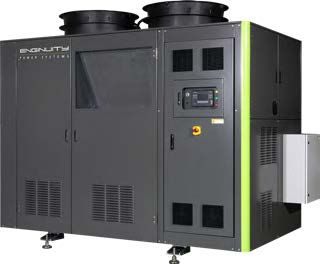
Instead of allowing excess thermal energy to go unused during the summer months, facilities can convert that heat into cooling for:
• Air conditioning
• Data centers
• Hospitals
• Manufacturing processes
• Laboratory environments
The result is year-round utilization of recovered energy, increasing overall system efficiency while reducing electric demand associated with conventional mechanical chillers.
CHP vs. CCHP: Understanding the difference and why it matters
When Does CHP Make Sense?
CHP delivers the greatest economic value when a facility has relatively constant electrical and thermal loads throughout the year.
Excellent candidates include:
• Hospitals and healthcare campuses
• Universities
• District energy systems
• Food and beverage processing plants
• Paper mills
• Chemical manufacturers
• Wastewater treatment facilities
• Large commercial buildings
Facilities with continuous steam or hot water demand often realize the shortest payback periods.
When Should Facilities Consider CCHP?
CCHP becomes particularly attractive when facilities have substantial cooling requirements during periods when heating demand declines.

Ideal applications include:
• Hospitals operating year-round
• Data centers
• Pharmaceutical manufacturing
• Hotels and resorts
• Universities
• Airports
• Corporate campuses
By converting recovered heat into chilled water, facilities improve annual equipment utilization and reduce costly summer peak electrical demand.
More Than an Energy Project — A Resiliency Strategy
Historically, CHP projects were justified primarily on the basis of energy savings. Today, resilience is becoming an equally important driver. As PJM’s Powering Reliability Through Market Design report highlights
and we feature in this publication, electric grids are facing increasing pressure from rising demand, generator retirements, and slower development of new power plants. On-site generation can help facilities reduce dependence on the grid while improving operational continuity during periods of constrained supply.
When integrated with properly designed switchgear, controls, and emergency power systems, CHP and CCHP can:
• Reduce exposure to utility outages
• Lower peak demand charges
• Improve energy cost predictability
• Support sustainability goals through higher fuel efficiency
• Enhance business continuity for mission-critical operations
CHP and CCHP are no longer viewed solely as energy-efficiency technologies; they are strategic infrastructure investments. As electricity becomes an increasingly valuable and constrained resource, facilities that generate a portion of their own power while capturing and using waste heat will be better positioned to control costs, improve resilience, and maintain reliable operations in an evolving energy landscape.